BPS-1 to BPS-4 Sindh List District Malir
- Board of Revenue
Health Department
Home Department
Agriculture, Supply & Prices
Population Welfare
Public Health Engineering & Rural Development
School Education & Literacy Department
Law, Parliamentary Affairs & Criminal Prosecution
Irrigation
Anti-Corruption
Karachi Development Authority (KDA)
Statistics
Treasury
And more for BPS-1 to BPS-4 positions. This is a very extensive set of documents!
I will now write an “excellent article” that synthesizes all this information. I’ll maintain keywords in headings and throughout the text, focusing on the sheer scale of the Sindh Government’s recruitment for BPS-1 to BPS-4 roles across these numerous departments and districts, and the vital role these appointments play in public service.
Given the vast number of specific departments, I will group them strategically to make the article readable and impactful.
Powering Public Service: Sindh Government’s Extensive Recruitment for BPS-1 to BPS-4 Roles Across the Province
The Sindh Government is undertaking a monumental recruitment drive, bringing thousands of new individuals into public sector employment across virtually every corner of the Sindh Province. Comprehensive lists of recommended candidates, spanning District Malir, Jacobabad, and numerous other regions, highlight the scale of this initiative. These appointments, primarily for Basic Pay Scale (BPS-1 to BPS-4) roles, are critical for the daily functioning of a vast array of departments, from core administrative services to specialized sectors like health, education, and agriculture, underscoring the government’s unwavering commitment to robust public service delivery.
A Multitude of Departments: Strengthening Sindh’s Administrative Backbone
The sheer diversity of departments involved in this recruitment process speaks volumes about the Sindh Government’s holistic approach to staffing. Recommendations have been made across a wide spectrum of provincial entities, ensuring that essential services are bolstered at the grassroots level. Key departments benefiting from this influx of talent include:
Core Administrative Services: The Board of Revenue, Home Department, and Treasury are seeing appointments for crucial support roles like Naib Qasid (BPS-1/2) and Chowkidar (BPS-1), vital for maintaining administrative efficiency and security.
Essential Public Utilities: The Public Health Engineering & Rural Development department, along with Irrigation and Karachi Development Authority (KDA), are onboarding staff for ground-level operations, including Sanitary Workers (BPS-1), Labor Attendants (BPS-1), and Drivers (BPS-4), directly impacting urban and rural infrastructure and water management.
Social & Economic Development: The Health Department, Population Welfare, School Education & Literacy Department, and Agriculture, Supply & Prices are fortifying their teams with Ward Servants (BPS-2), Sanitary Workers (BPS-1), Teachers (BPS-4), Lab Attendants (BPS-1), and various support staff. These appointments directly enhance the province’s human capital and economic output.
Governance & Oversight: Even specialized bodies like Anti-Corruption, Statistics, and Law, Parliamentary Affairs & Criminal Prosecution are receiving new inductees in basic pay scales, reinforcing their operational capacity.
This extensive departmental coverage demonstrates the Sindh Government’s strategic investment in human resources across all critical sectors.
The Foot Soldiers of Public Service: Key BPS-1 to BPS-4 Roles
The lists predominantly feature roles at the foundational levels of the public service structure (BPS-1 to BPS-4). These positions, often overlooked, are the backbone of government operations:
Sanitary Worker / Sweeper (BPS-1): Absolutely critical for maintaining public health and hygiene in government offices, hospitals, and educational institutions.
Naib Qasid (BPS-1/2): Essential for office support, document handling, and general assistance, enabling senior staff to focus on core tasks.
Chowkidar (BPS-1): Guardians of government property and facilities, providing essential security services.
Drivers (BPS-4): Facilitating mobility and logistics for various departments.
Ward Servants / Ward Boys (BPS-2): Crucial support staff in healthcare facilities, directly assisting patient care.
Beldar / Laborers (BPS-1): Engaged in field tasks, maintenance, and manual work across departments like Irrigation and Agriculture.
Lab Attendants (BPS-1): Providing essential assistance in scientific and educational settings.


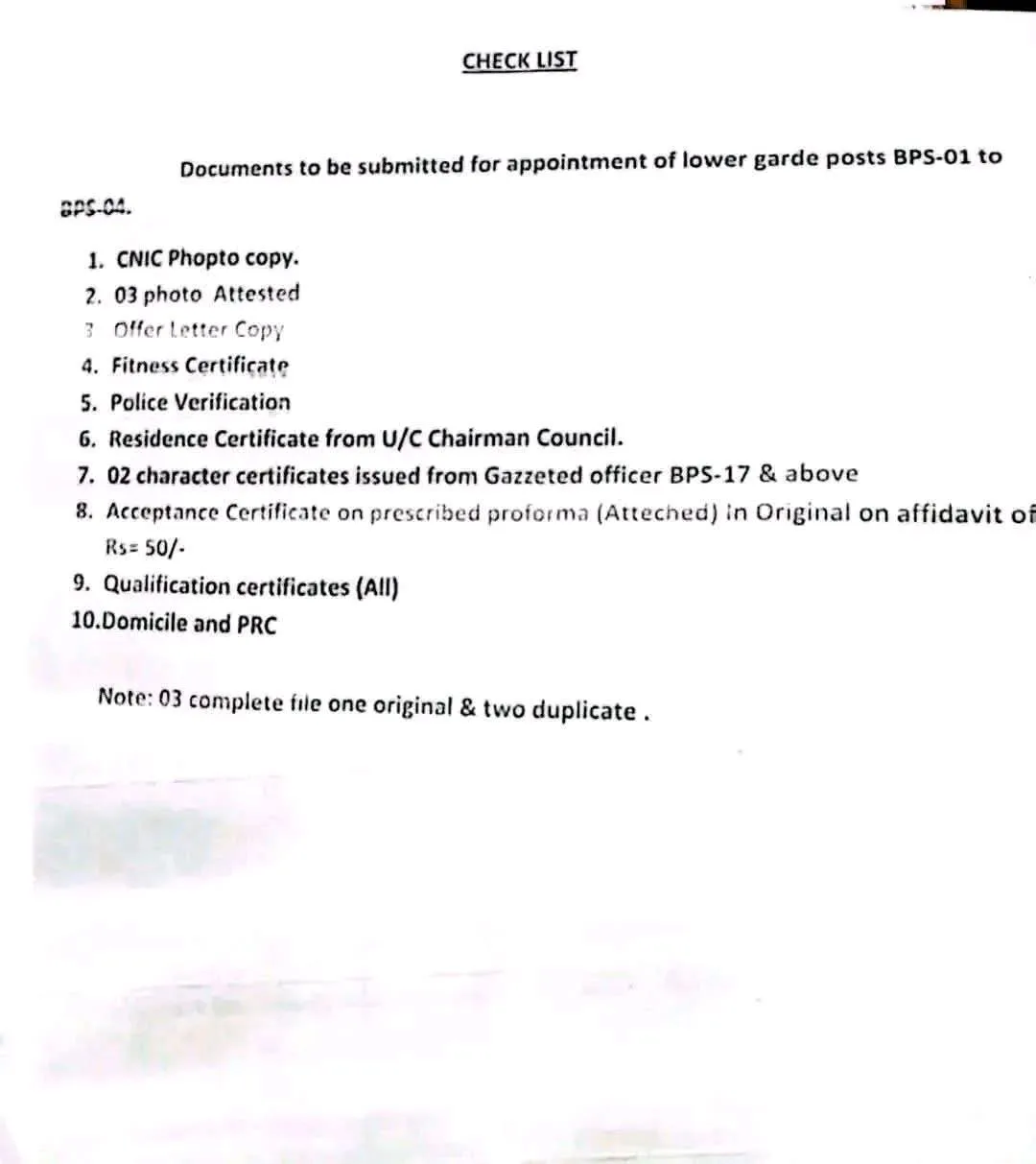

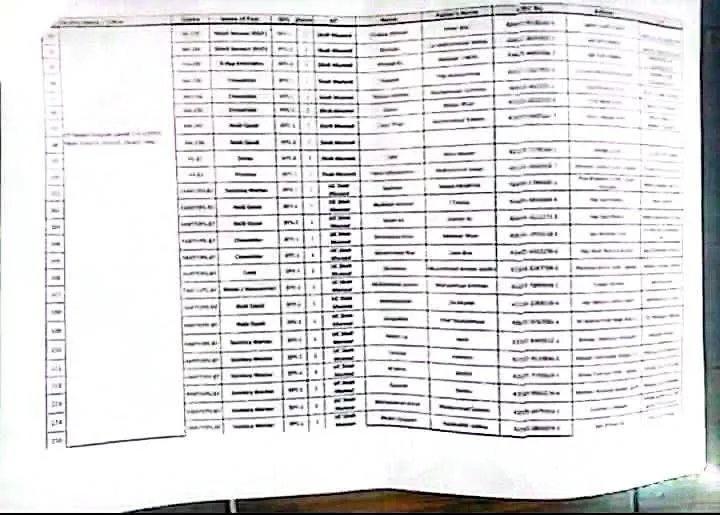
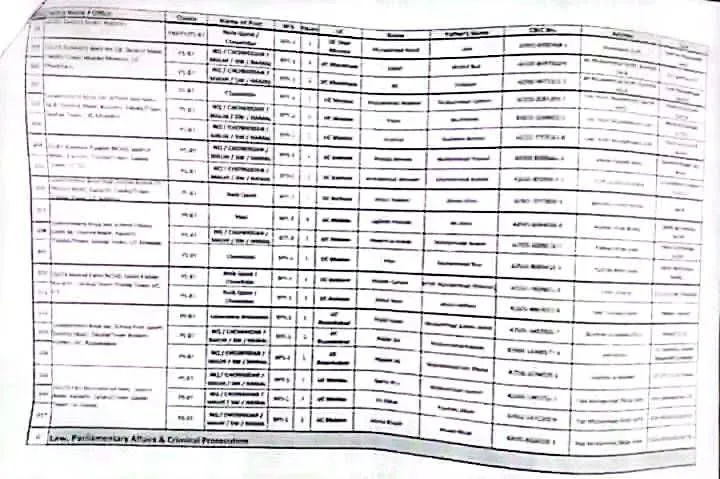
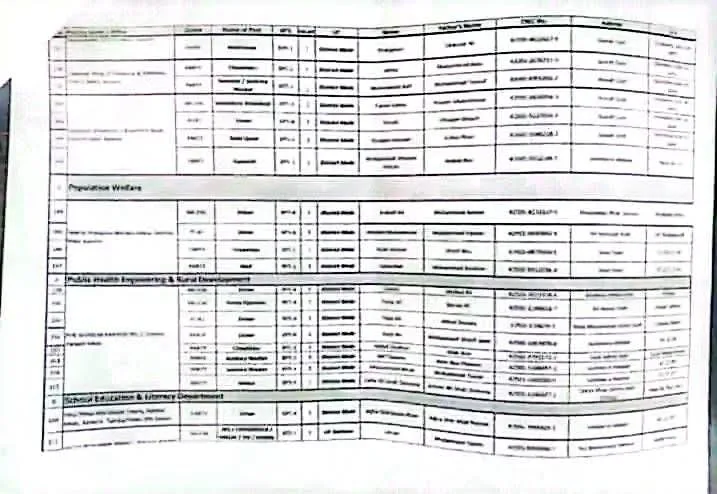

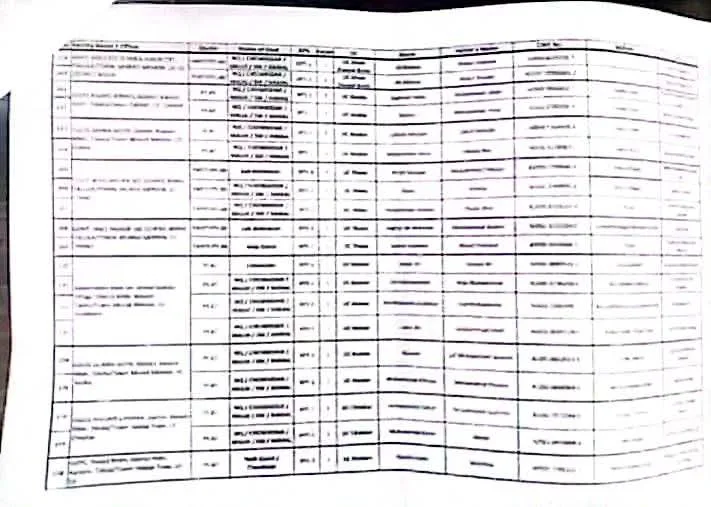

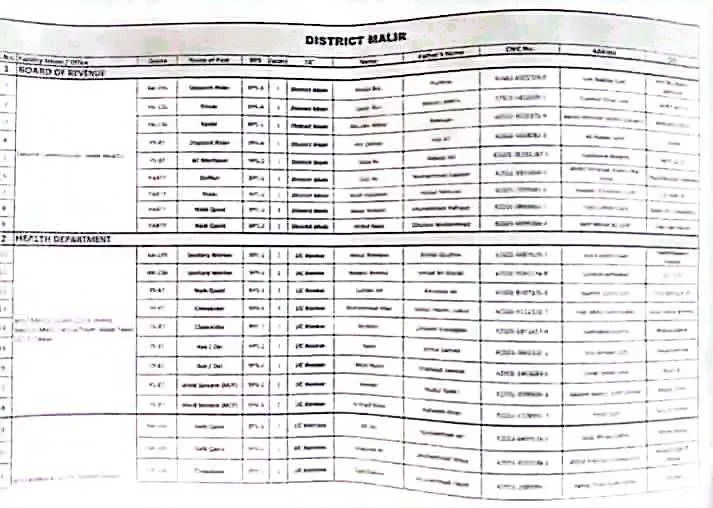
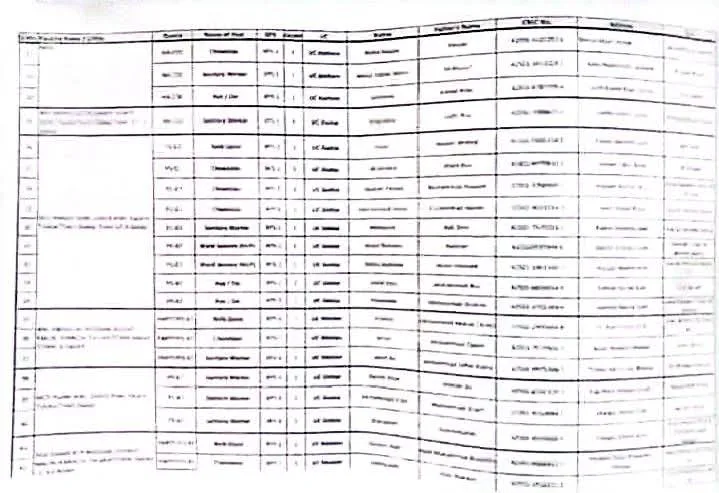
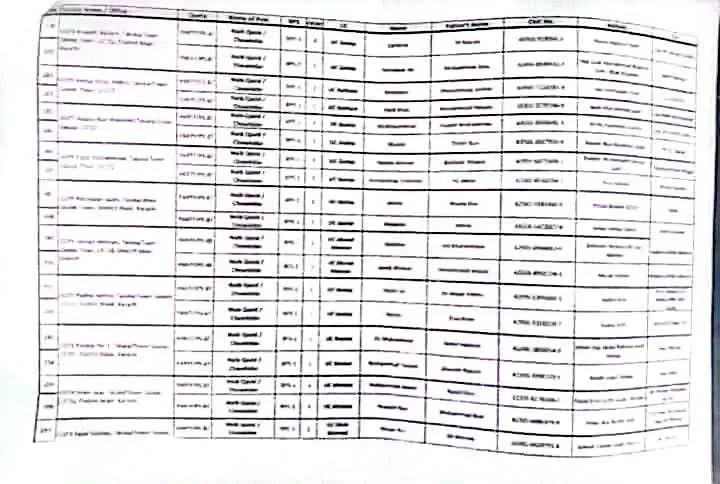
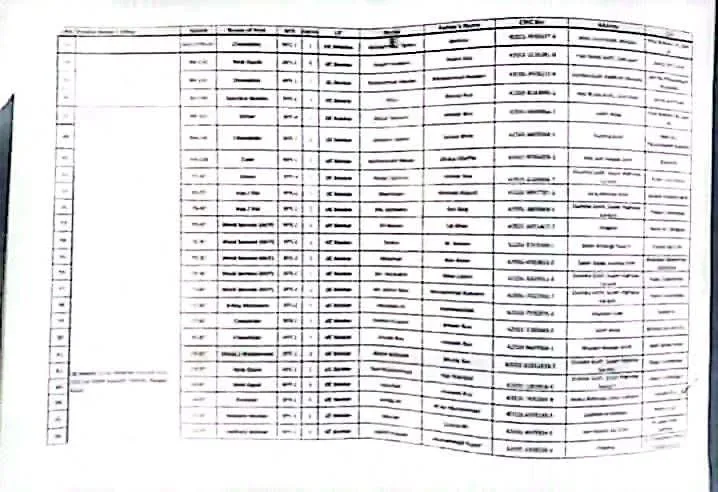
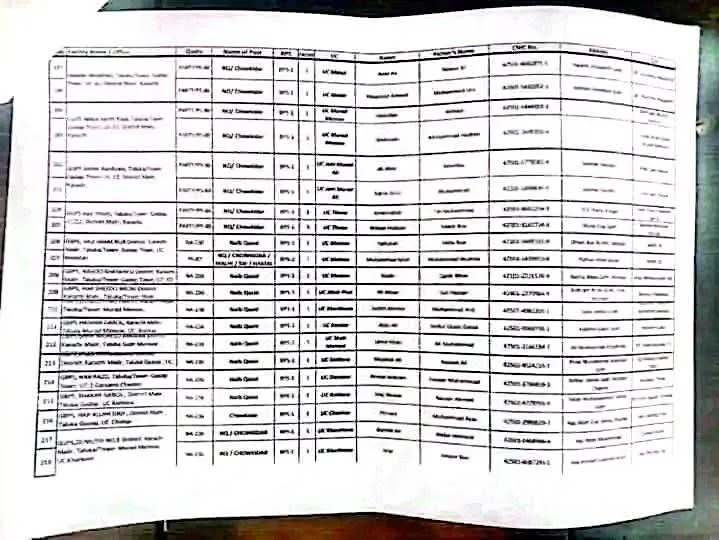




Each name on these extensive lists represents an individual chosen through a rigorous application process to fill these vital government jobs.
The Rigor of Recruitment: Ensuring Merit and Transparency
The selection process for these Sindh Government vacancies is founded on principles of merit and transparency. While the “How to Apply” section has been detailed previously, these new lists are the outcome of a multi-stage process:
Strict Eligibility Criteria: Candidates must meet specific required qualifications, age limits, and domicile requirements for their respective districts and positions.
Document Verification: A thorough check of all submitted documents (CNIC, Domicile, academic certificates, etc.) ensures authenticity.
Tests and Interviews: Shortlisted candidates undergo competitive tests and interviews to assess their suitability and skills.
Final Recommendation: Only the most qualified and eligible individuals are recommended for appointment, often adhering to stipulated Provincial Quotas for women, minorities, and disabled persons.
The sheer volume of successful candidates from various Union Councils and districts like Malir and Jacobabad is a testament to both the high demand for government employment and the structured administrative effort involved in identifying suitable talent across the Sindh Province.
In essence, these lists are more than just bureaucratic records; they represent thousands of individuals embarking on careers in public service, poised to contribute to the efficient functioning and development of the Sindh Government and its vast network of institutions.